Common Causes of Damage in Brick, Stone, and Block Walls
Local contractors specializing in brick, stone, and block wall repair can help address common causes of damage like weathering, settling, or structural issues to restore stability and appearance.
Understanding the common causes of damage in brick, stone, and block walls is essential for property owners looking to maintain the integrity and appearance of their structures. Whether you own a historic building or a modern property, issues like moisture intrusion, freeze-thaw cycles, or shifting foundations can compromise these walls over time. Recognizing these factors early can help prevent more extensive and costly repairs down the line, making it worthwhile to explore how local contractors specialize in diagnosing and addressing these issues effectively.
For property owners in the area, being aware of what can lead to damage in brick, stone, and block walls underscores the importance of professional repair services. Local service providers have the experience to identify underlying causes and recommend appropriate solutions, ensuring the durability of your walls. Keep reading to learn more about these common issues and how skilled contractors can help preserve the strength and beauty of your masonry structures.
- Brick wall repair - needed when mortar deterioration or foundation settling causes cracks and instability, with local contractors assessing and restoring structural integrity.
- Stone wall repair - required when weathering or moisture infiltration leads to erosion or loose stones, with service providers stabilizing and resecuring the wall.
- Block wall repair - necessary when impact damage or shifting ground creates cracks or bowing, and local pros reinforce or replace damaged blocks.
- Brick wall repair - performed when efflorescence or freeze-thaw cycles cause surface damage, with specialists cleaning and repointing affected areas.
- Stone wall repair - needed when biological growth or pollution causes staining or surface deterioration, with local contractors cleaning and sealing the stone.
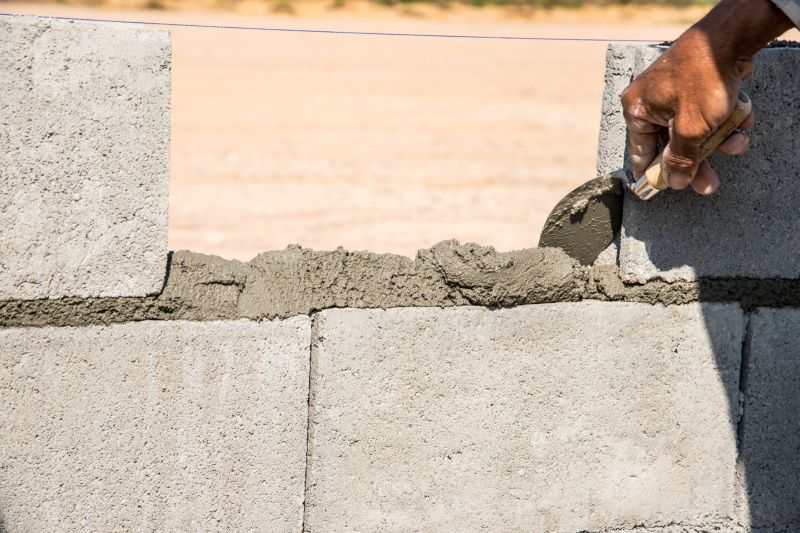
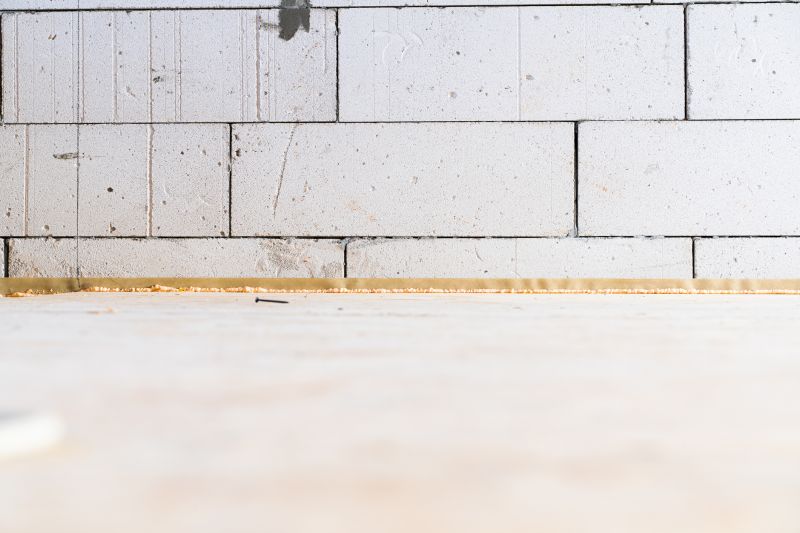
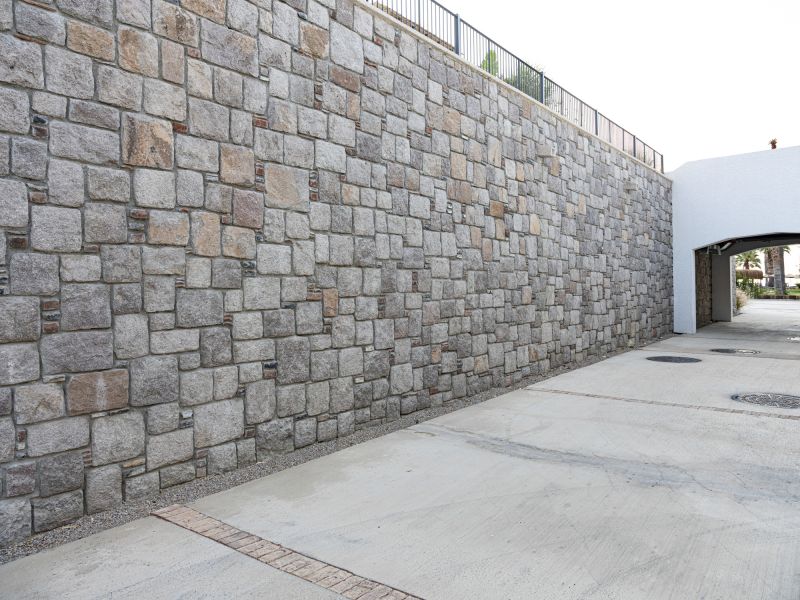
When people search for common causes of damage in brick, stone, and block walls, they are often trying to understand why their existing structures are deteriorating or how to prevent future issues. This topic is relevant to property owners who have these types of walls as part of their homes, commercial buildings, or boundary fences. Damage can manifest as cracks, bulges, crumbling mortar, or loose stones, all of which threaten the stability and appearance of the walls. Homeowners and property managers typically look into this information when planning repairs or maintenance to ensure their walls remain safe and visually appealing.
The problems associated with damage in these walls often relate to structural issues, weather exposure, or improper installation. Common causes include moisture infiltration, which can lead to freeze-thaw damage or mold growth, and shifting soil that causes cracks or bowing. Poor mortar joints, aging materials, or inadequate drainage can also accelerate deterioration. Understanding these causes helps property owners identify the root of the problem, whether it’s due to natural wear over time or external factors like heavy rain or ground movement. This knowledge is essential for developing effective repair plans that address the underlying issues rather than just cosmetic fixes.
Certain types of properties are more prone to damage in brick, stone, and block walls. These include older homes with historic masonry, where materials may have aged or been improperly maintained over the years. Commercial buildings with exterior walls exposed to harsh weather conditions often experience more frequent deterioration. Additionally, boundary walls or retaining walls on residential properties are susceptible to shifting soils and water damage. Recognizing the specific vulnerabilities of different property types helps property owners understand when to seek professional assessment and repair. Local contractors specializing in brick, stone, and block wall repair are equipped to diagnose these issues and recommend appropriate solutions tailored to each property’s unique needs.
Understanding the common causes of damage in brick, stone, and block walls provides a practical foundation for property owners considering repairs or preventative measures. Damage often results from environmental factors, aging materials, or installation issues, all of which can compromise the wall’s strength and appearance. Connecting with experienced local service providers allows property owners to get expert evaluations and repairs that address the specific causes of damage. These professionals can help restore the integrity of the walls, prevent further deterioration, and enhance the property's overall value. Proper diagnosis and timely intervention are key to maintaining the durability and aesthetic appeal of masonry structures over time.
Masonry Restoration Projects - These projects involve repairing and restoring historic brick and stone structures, requiring similar skills and planning as brick, stone, and block wall repairs to address damage caused by environmental factors.
Retaining Wall Construction - Building and repairing retaining walls with brick, stone, or concrete blocks involves understanding soil pressure and drainage, paralleling the skills needed for addressing common causes of damage in these walls.
Foundation Repair Services - Foundation stabilization and repair often involve addressing movement and settling issues that can lead to damage in brick, stone, and block walls, requiring expertise in structural assessment.
Chimney Repair Projects - Restoring or rebuilding chimneys made of brick or stone shares techniques with wall repair, especially when dealing with mortar deterioration and structural integrity concerns.
Waterproofing and Drainage Solutions - Installing drainage systems and waterproofing walls helps prevent damage from water infiltration, a common cause of deterioration in brick, stone, and block walls.
Concrete Block Wall Installations - Erecting or repairing concrete block walls involves similar planning and skill sets as brick and stone wall repairs, focusing on proper mortar application and structural stability.
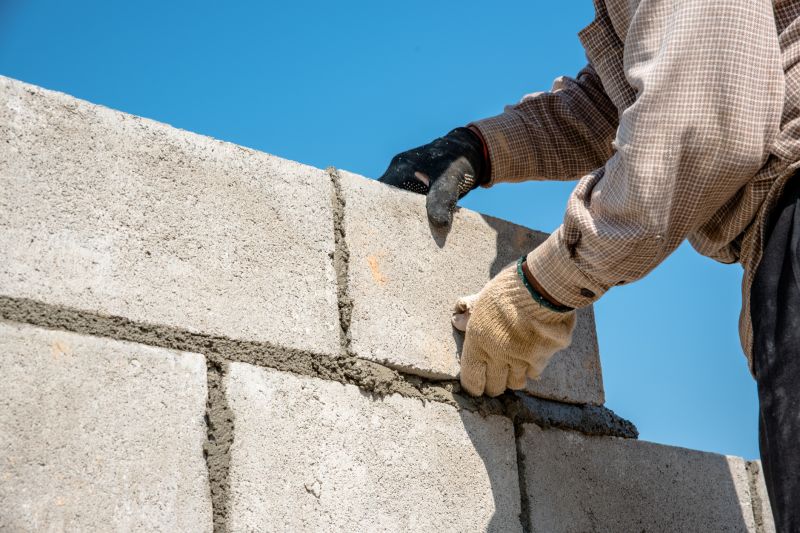
When evaluating potential service providers for brick, stone, or block wall repair, it is essential to consider their experience with similar projects. Service providers who have a proven track record addressing common causes of damage in these types of walls are more likely to understand the underlying issues and recommend effective solutions. Homeowners should inquire about the types of repairs the contractor has performed in the past and whether they have encountered problems similar to their own, such as damage caused by moisture infiltration, settling, or freeze-thaw cycles. This familiarity can help ensure that the repair work is tailored to address the specific causes of damage, leading to a more durable and long-lasting result.
Clear written expectations are a key factor in choosing the right local contractor for wall repairs. Homeowners should seek detailed descriptions of the scope of work, including what repairs will be performed and what materials will be used. Having a clear understanding of the process helps prevent misunderstandings and ensures that both parties are aligned on project goals. Additionally, requesting written estimates and project timelines can provide transparency and help set realistic expectations. Well-defined communication about the repair approach, especially in relation to addressing common causes of damage, fosters trust and ensures that the homeowner is fully informed throughout the process.
Reputable references and good communication are vital when selecting a contractor for brick, stone, or block wall repairs. Service providers with positive references from previous clients can offer insights into their reliability, quality of work, and ability to handle issues related to common causes of damage. Effective communication, including prompt responses to questions and a willingness to explain repair strategies, helps homeowners feel confident in the contractor’s expertise. By prioritizing contractors who demonstrate professionalism and transparency, homeowners can find experienced local pros capable of diagnosing and repairing damage caused by factors such as moisture intrusion, structural settling, or freeze-thaw effects, ultimately ensuring a successful and lasting repair.
Property owners often search for common causes of damage in brick, stone, and block walls when they are planning practical projects around their homes and businesses. Local pros provide Brick, Stone, and Block Wall Repair services for everyday jobs and straightforward project options.
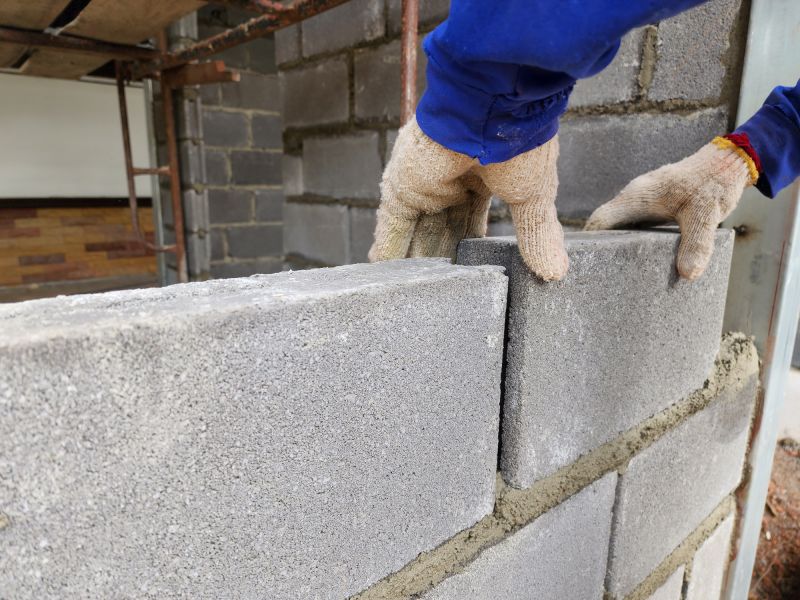
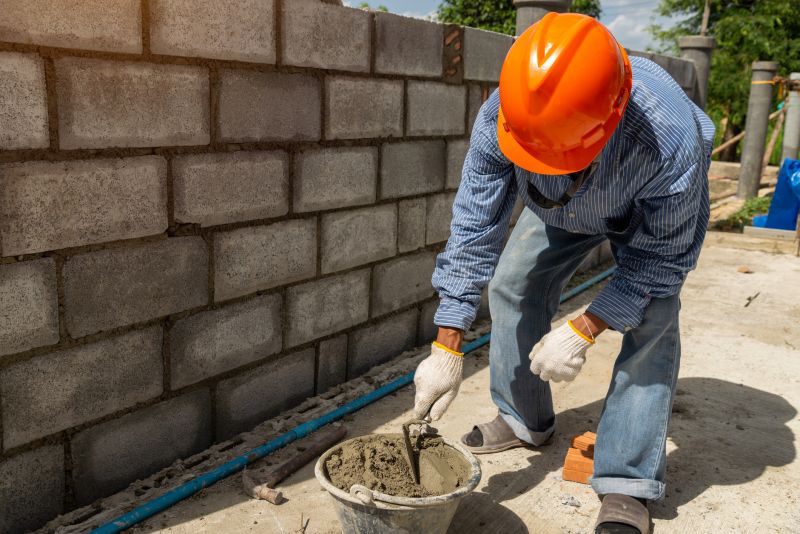
Many property owners in the area seek information about common causes of damage in brick, stone, and block walls to better understand potential issues with their structures. Everyday situations such as ground shifting, poor initial construction, or exposure to harsh weather conditions can lead to cracks, bulges, or deterioration over time. For instance, freeze-thaw cycles can cause the materials to expand and contract, resulting in weakened mortar joints or displaced stones. Additionally, improper drainage around the property can lead to water pooling at the base of walls, which may cause moisture infiltration and eventual damage. Recognizing these typical causes helps property owners identify when professional brick, stone, and block wall repair services might be necessary to maintain the integrity of their walls.
Property owners often look into this topic to learn how to prevent further damage or to address existing issues promptly. Common causes of damage in brick, stone, and block walls are often linked to everyday circumstances, such as accidental impacts, vibrations from nearby construction, or neglect of regular maintenance. Over time, small issues like cracked mortar or loose stones can worsen if not addressed, leading to more significant structural concerns. Local service providers experienced in brick, stone, and block wall repair can evaluate these problems and recommend suitable solutions to restore stability and appearance. Consulting with these professionals can help property owners ensure their walls remain durable and safe against the typical causes of damage encountered in the area.
What are common causes of damage in brick, stone, and block walls? Common causes include moisture infiltration, freeze-thaw cycles, improper installation, and structural movement, which can lead to cracks, spalling, or shifting. Local contractors can assess these issues and recommend appropriate repairs to prevent further damage.
How does moisture affect brick, stone, and block walls? Excess moisture can weaken mortar joints, cause efflorescence, and lead to cracking or deterioration of the wall materials. Service providers can identify moisture sources and implement solutions like sealing or waterproofing.
Can temperature changes cause damage to these walls? Yes, temperature fluctuations can cause expansion and contraction, leading to cracks or mortar deterioration. Local repair specialists can evaluate the extent of damage and perform necessary restorations.
What role does improper installation play in wall damage? Incorrectly laid bricks, stones, or blocks can create weak points, leading to cracks or shifting over time. Experienced contractors can repair or rebuild affected sections to restore stability.
How can structural movement lead to damage in brick, stone, and block walls? Foundations settling or shifting can cause walls to crack, bow, or become uneven. Local service providers can diagnose these issues and recommend structural repairs to stabilize the wall.
Water infiltration - Proper sealing and drainage solutions by local contractors can prevent water from penetrating brick, stone, and block walls, reducing damage caused by moisture.
Freeze-thaw cycles - Ensuring proper insulation and using materials resistant to freezing and thawing helps protect walls from cracking and deterioration.
Structural shifting - Addressing foundation issues early with the help of local pros can prevent movement that causes cracks and instability in walls.
Poor construction practices - Choosing experienced service providers ensures correct installation techniques that minimize damage risks in brick, stone, and block walls.
If you are thinking about common causes of damage in brick, stone, and block walls for a property, this guide is meant to help you understand this topic, the typical project types, and how different options might fit your plans.
When you are ready, you can use the quote form on this page to share a few details about your project. From there, local pros can review the basics and follow up with options that match what you have in mind.